


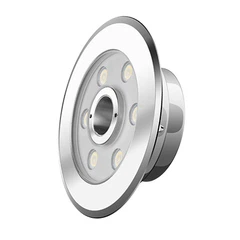




As a seasoned supplier of Aluminum Lights, I've often been asked about the mechanical strength of these remarkable lighting solutions. In this blog, I'll delve into the intricacies of aluminum light's mechanical strength, exploring its importance, factors that influence it, and how it impacts various applications.
Understanding Mechanical Strength
Mechanical strength refers to the ability of a material to withstand applied forces without breaking, deforming, or failing. In the context of aluminum lights, it encompasses several key aspects, including tensile strength, compressive strength, and impact resistance. These properties are crucial for ensuring the durability and reliability of the lights, especially in demanding environments.
Tensile Strength
Tensile strength is the maximum stress a material can withstand while being pulled or stretched before it breaks. Aluminum, known for its excellent strength-to-weight ratio, offers impressive tensile strength. This property is particularly important for aluminum lights, as they may be subjected to pulling forces during installation, maintenance, or when exposed to external factors such as wind or vibrations.
High tensile strength ensures that the aluminum housing of the lights can resist stretching and maintain its structural integrity over time. This is essential for preventing damage to the internal components, such as the LED chips and wiring, which could lead to malfunctions or reduced performance.
Compressive Strength
Compressive strength is the ability of a material to withstand forces that push or squeeze it together. In the case of aluminum lights, compressive strength is crucial for withstanding the weight of the light itself, as well as any additional loads or pressures it may encounter.


For example, in outdoor applications, aluminum lights may be exposed to heavy snowfall or the weight of objects placed on them. A high compressive strength ensures that the lights can withstand these forces without collapsing or deforming, maintaining their functionality and appearance.
Impact Resistance
Impact resistance is the ability of a material to absorb and dissipate energy when subjected to sudden impacts or collisions. This property is particularly important for aluminum lights, as they may be accidentally bumped or dropped during installation, transportation, or normal use.
Aluminum's natural toughness and ability to deform without breaking make it an ideal material for withstanding impacts. A high impact resistance ensures that the lights can survive accidental knocks and maintain their structural integrity, reducing the risk of damage and extending their lifespan.
Factors Affecting Mechanical Strength
Several factors can influence the mechanical strength of aluminum lights. These include the alloy composition, manufacturing process, and heat treatment.
- Alloy Composition: Different aluminum alloys have varying mechanical properties, depending on their chemical composition. For example, alloys with higher amounts of copper or magnesium tend to have higher strength and hardness. As a supplier, we carefully select the appropriate alloy for each application to ensure optimal mechanical performance.
- Manufacturing Process: The manufacturing process can also have a significant impact on the mechanical strength of aluminum lights. Processes such as extrusion, casting, and forging can alter the microstructure of the aluminum, affecting its strength and ductility. We use advanced manufacturing techniques to ensure that our aluminum lights are produced with consistent quality and mechanical properties.
- Heat Treatment: Heat treatment is a process used to modify the mechanical properties of aluminum by heating and cooling it under controlled conditions. This can improve the strength, hardness, and toughness of the aluminum, making it more suitable for demanding applications. We use heat treatment processes such as annealing, quenching, and tempering to optimize the mechanical properties of our aluminum lights.
Applications and Benefits
The high mechanical strength of aluminum lights makes them suitable for a wide range of applications, including indoor and outdoor lighting, commercial and residential projects, and even specialized applications such as Waterproof Light for Swimming Pool.
- Outdoor Lighting: In outdoor applications, aluminum lights are exposed to harsh environmental conditions, such as extreme temperatures, moisture, and UV radiation. Their high mechanical strength ensures that they can withstand these conditions without deteriorating, providing long-lasting and reliable lighting solutions.
- Commercial Lighting: In commercial settings, such as offices, retail stores, and warehouses, aluminum lights are often required to provide high-quality lighting while withstanding heavy use and frequent maintenance. Their durability and reliability make them an ideal choice for these applications.
- Residential Lighting: In residential settings, aluminum lights are popular for their aesthetic appeal and energy efficiency. Their high mechanical strength ensures that they can withstand the rigors of daily use, providing a long-lasting and cost-effective lighting solution for homes.
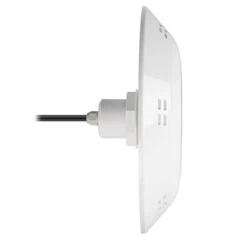
- Swimming Pool Lighting: For swimming pool lighting, AC12v LED Swimming Pool Light and ac100 240v pool lights waterproof are essential. The high mechanical strength of aluminum lights ensures that they can withstand the constant exposure to water, chemicals, and physical impacts, providing safe and reliable lighting for swimming pools.
Conclusion
In conclusion, the mechanical strength of aluminum lights is a crucial factor in their performance, durability, and reliability. Their high tensile strength, compressive strength, and impact resistance make them suitable for a wide range of applications, from indoor and outdoor lighting to specialized applications such as swimming pool lighting.
As a supplier of Aluminum Lights, we are committed to providing our customers with high-quality products that meet their specific needs and requirements. Our expertise in alloy selection, manufacturing processes, and heat treatment allows us to produce aluminum lights with optimal mechanical properties, ensuring long-lasting performance and customer satisfaction.
If you're interested in learning more about our Aluminum Lights or have any questions about their mechanical strength, please don't hesitate to contact us. We'd be happy to discuss your project and provide you with the best lighting solutions.
References
- Callister, W. D., & Rethwisch, D. G. (2018). Materials Science and Engineering: An Introduction. Wiley.
- ASM Handbook Committee. (2000). ASM Handbook, Volume 2: Properties and Selection: Nonferrous Alloys and Special-Purpose Materials. ASM International.