






In recent years, the automotive industry has witnessed rapid technological advancements, especially in the field of vehicle lighting. Traditional lighting sources are gradually being replaced by more efficient and innovative solutions. As a provider of plastic lights, I've often been asked if plastic lights can be used in automotive lighting. In this blog post, I'll explore this question in detail, discussing the potential, advantages, challenges, and current applications of plastic lights in automotive lighting.
The Evolution of Automotive Lighting
Automotive lighting has come a long way since the early days of incandescent bulbs. Halogen lights, which were a significant improvement over incandescents, offered better brightness and longer lifespans. However, they were still relatively inefficient in terms of energy consumption. Then came high-intensity discharge (HID) lights, which provided a much brighter and whiter light output. But their complexity and cost limited their widespread adoption.
Today, light-emitting diodes (LEDs) are the dominant force in automotive lighting. LEDs are known for their energy efficiency, long lifespan, and fast response times. They can be easily controlled to create different lighting effects, which is highly desirable for both functional and aesthetic purposes in vehicles. Alongside the development of LED technology, the materials used in automotive lighting have also been evolving, and plastic has emerged as a promising candidate.
Advantages of Plastic Lights in Automotive Lighting
Lightweight
One of the most significant advantages of plastic lights is their low weight. Compared to traditional glass-based lighting components, plastic lights can significantly reduce the overall weight of a vehicle. This weight reduction has a positive impact on fuel efficiency and vehicle performance. As automakers strive to meet stricter fuel economy standards and improve the handling of their vehicles, the use of lightweight materials like plastic in lighting systems becomes increasingly attractive.
Design Flexibility
Plastic is a highly malleable material, which allows for greater design flexibility in automotive lighting. Designers can create complex shapes and patterns that are not easily achievable with glass. This enables the development of unique and stylish lighting signatures for different vehicle models, enhancing brand identity and visual appeal. Additionally, plastic lights can be integrated more seamlessly into the vehicle's body design, contributing to a smoother and more aerodynamic appearance.
Cost - Effectiveness
Plastic is generally less expensive than glass, which can result in cost savings for automakers. The manufacturing process of plastic lights is also often more straightforward and less costly, making them an economical choice for mass - produced vehicles. Lower production costs can translate into more affordable vehicles for consumers without sacrificing the quality and functionality of the lighting system.
Safety Features
Plastic lights can be engineered to have excellent impact resistance. In the event of a collision or a minor impact, plastic lights are less likely to shatter compared to glass lights, reducing the risk of injury to passengers and pedestrians. Moreover, plastic can be treated to have anti - glare properties, which improve visibility for drivers and reduce the risk of accidents caused by glare from oncoming vehicles.
Challenges and Considerations
Heat Resistance
Automotive lighting systems generate heat, especially high - power LEDs. Plastic materials need to have sufficient heat resistance to withstand the elevated temperatures without deforming or losing their optical properties. Manufacturers need to carefully select plastic materials with high melting points and good thermal stability. Additionally, proper heat dissipation mechanisms need to be incorporated into the design of plastic lighting systems to ensure long - term reliability.
UV Resistance
Exposure to ultraviolet (UV) radiation from the sun can cause plastic materials to degrade over time, resulting in yellowing, cracking, or a loss of transparency. To use plastic lights in automotive applications, they must be treated with UV stabilizers to protect them from the harmful effects of UV rays. This adds an additional layer of complexity to the manufacturing process and quality control.
Optical Performance
Achieving the same level of optical performance as glass in plastic lights can be challenging. Glass has excellent light transmission properties, and it can be precisely polished to focus and direct light accurately. Plastic materials may have higher levels of internal scattering, which can affect the quality of the light output. However, advancements in plastic technology and optical design are gradually narrowing this gap.
Current Applications of Plastic Lights in Automotive Lighting
Plastic lights are already being used in various automotive lighting applications. For example, many modern vehicles use plastic lenses for their headlights, taillights, and turn signals. These lenses not only provide protection for the internal lighting components but also play a crucial role in shaping and distributing the light.


In addition to lenses, plastic is also used in the housing and bezels of automotive lighting systems. The use of plastic in these components allows for more streamlined and lightweight designs. Some high - end vehicles are even starting to experiment with plastic - based LED light modules, where the entire lighting unit is made from plastic, offering significant weight savings and design flexibility.
Related Applications in Other Fields
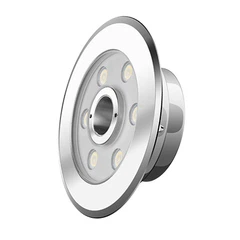
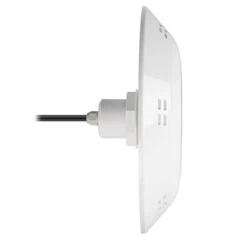
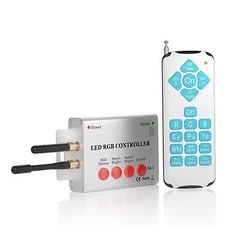
While our focus is on automotive lighting, it's worth mentioning that plastic lights have a wide range of applications in other fields. For those interested in pool lighting, Best Led Lights For Pool offer a great solution. They are corrosion - resistant, energy - efficient, and can be customized to create different lighting effects in the pool. The ac12v rgb led pool light is particularly popular for its ability to produce vibrant colors, enhancing the overall atmosphere of the pool area. And if you're looking for a 12 - volt swimming pool with built - in LED lights, the 12v swimming pool with led lights provides a convenient and stylish option.
Conclusion and Call to Action
In conclusion, plastic lights have great potential in automotive lighting. Their lightweight, design flexibility, cost - effectiveness, and safety features make them an attractive alternative to traditional lighting materials. While there are still challenges to overcome in terms of heat resistance, UV resistance, and optical performance, continuous research and development are paving the way for more widespread adoption.
As a plastic light supplier, we are committed to providing high - quality plastic lighting solutions for the automotive industry. Our team of experts is constantly working on improving the performance and reliability of our products. If you're an automaker, a lighting system manufacturer, or anyone interested in exploring the use of plastic lights in automotive applications, we'd love to hear from you. Contact us to discuss your specific requirements and start a partnership that can drive innovation in automotive lighting.
References
- Smith, J. (2020). The Future of Automotive Lighting. Automotive Engineering Journal.
- Johnson, R. (2021). Advancements in Plastic Materials for Vehicle Applications. Material Science Review.
- Lee, K. (2022). Lighting Design Trends in the Automotive Industry. Automotive Design Magazine.