






What is the noise level of an RGB light controller during operation?
As a seasoned supplier of RGB light controllers, I've encountered numerous inquiries from customers about the noise levels during the operation of these devices. This topic is not only crucial for those who prioritize a quiet environment but also for understanding the overall performance and reliability of the RGB light controller.
To comprehend the noise level of an RGB light controller, we must first understand its basic working principle. An RGB light controller is designed to manage the colors and intensities of RGB lights. It achieves this by regulating the electrical current flowing through the red, green, and blue channels of the lights. This regulatory process often involves the use of electronic components such as resistors, capacitors, and integrated circuits.
The noise generated by an RGB light controller can be classified into two main types: electrical noise and mechanical noise. Electrical noise is typically caused by the switching of electrical currents within the controller. When the controller adjusts the current to change the color or brightness of the lights, it creates rapid electrical fluctuations. These fluctuations can produce electromagnetic interference (EMI), which may manifest as a faint buzzing or humming sound. The intensity of this electrical noise depends on several factors, including the quality of the electronic components used in the controller, the design of the circuit board, and the power supply stability.
On the other hand, mechanical noise can occur if the controller has moving parts, such as cooling fans or relays. Cooling fans are sometimes incorporated into high - power RGB light controllers to dissipate heat generated during operation. These fans can produce a whirring or blowing sound, especially if they are running at high speeds. Relays, which are used to switch electrical circuits, can also make a clicking sound when they open and close.
In general, the noise level of a well - designed RGB light controller is relatively low and may not be noticeable under normal circumstances. High - quality controllers are engineered to minimize electrical noise through the use of advanced filtering techniques and high - grade components. For example, the use of ferrite beads can help suppress EMI, reducing the likelihood of audible electrical noise. Similarly, modern fanless designs are becoming increasingly popular in RGB light controllers, eliminating the mechanical noise associated with cooling fans.
However, it's important to note that the perceived noise level can also be affected by the environment in which the controller is used. In a quiet room, even a small amount of noise from the controller may be more noticeable than in a noisy industrial setting. Additionally, the proximity of the listener to the controller can also impact the perceived noise level. The closer a person is to the controller, the more likely they are to detect any noise it produces.
To give you a better idea of the typical noise levels, we can look at some industry standards and common measurements. Most residential and commercial applications require electronic devices to operate at noise levels below 40 decibels (dB). A well - made RGB light controller should ideally fall within this range or even lower. In comparison, a normal conversation typically registers at around 60 dB, while a whisper is about 30 dB.
When evaluating the noise level of an RGB light controller, it's also essential to consider its impact on the overall user experience. For example, in a home theater or a bedroom, where a quiet environment is highly desired, a noisy RGB light controller can be a significant distraction. On the other hand, in a party setting or a sports arena, the noise from the controller may be drowned out by the surrounding sounds.
At our company, we take great pride in offering high - quality RGB light controllers that are engineered to operate with minimal noise. Our products undergo rigorous testing to ensure that they meet the strictest noise level standards. We understand that our customers rely on our controllers not only for their color - changing capabilities but also for their quiet and reliable operation.
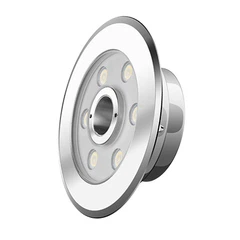
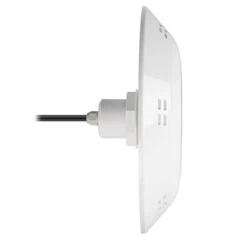
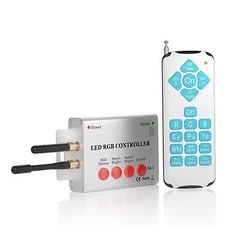
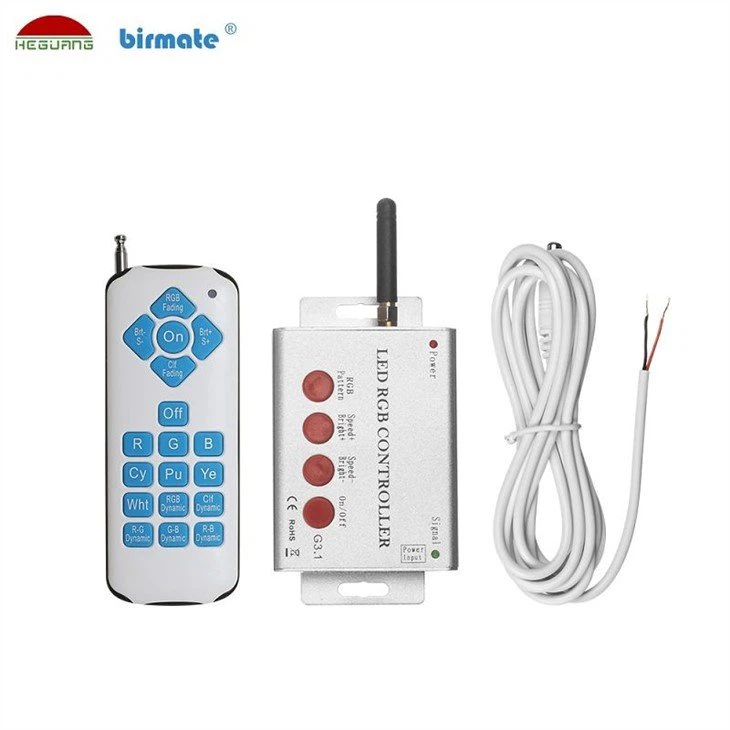
If you're in the market for a top - notch RGB light controller, we have a wide range of options to choose from. For instance, our two lines rgb light controller is a popular choice for pool lighting applications. It offers precise control over the colors and brightness of the lights while maintaining a low noise level. Our Universal Pool Light Remote provides convenient wireless control, allowing you to adjust the lighting settings from a distance. And our Color Pool Light with Remote Control combines the functionality of a color - changing light with an easy - to - use remote, all in a package that operates quietly.
We believe that by offering products with low noise levels, we can enhance the overall quality of your lighting experience. Whether you're using our controllers for home decor, commercial lighting, or special events, you can expect a quiet and efficient operation.

If you have any questions about the noise level or other features of our RGB light controllers, or if you're interested in discussing a potential procurement, please don't hesitate to reach out. We're always ready to provide you with detailed information and assist you in finding the perfect lighting solution for your needs.
References
- Electronics Engineering textbooks on circuit design and noise reduction.
- Industry standards and guidelines for electronic device noise levels.